


-

Add: HeBei ShengShi HongBang Cellulose Technology CO.,LTD.
-

Email
13180486930@163.com -

CONTACT US
+86 13180486930
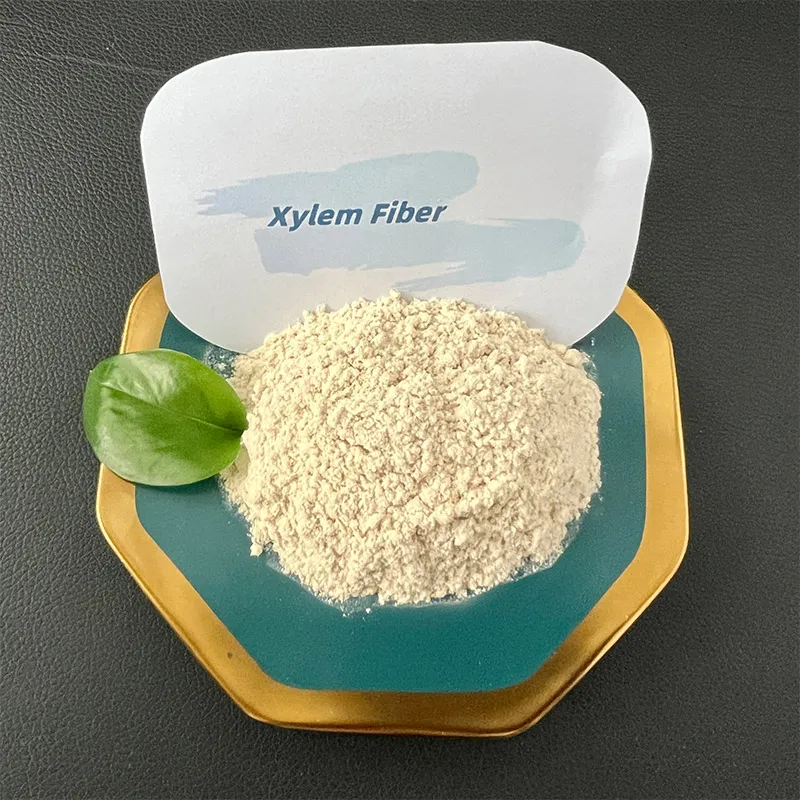




Polimer Un Taği Zamonaviy Texnologiyalar va Qishloq Xo‘jaligida Qo‘llanilishi Polimer un taği, zamonaviy materiallar muhitida muhim o‘rin tutadi. U polimerlarning mikroskopik qismlaridan tashkil topgan bo‘lib, ko‘plab sohalarda qo‘llaniladi, ayniqsa qishloq xo‘jaligida. Ushbu maqolada polimer un tağinin nimadan iboratligi, uning xususiyatlari va afzalliklari haqida so‘z yuritamiz. Polimer un taği, asosan, plastik materiallardan yaratiladi. Un taği sifatida qo‘llanilishidan maqsad, qishloq xo‘jaligida tuproqni yaxshilash, o‘simliklarni himoya qilish va yig‘im-terim jarayonlarini soddalashtirishdir. Bu materiallar nafaqat o‘simliklar uchun ozuqa manbai bo‘lib xizmat qiladi, balki tuproqning fizik va kimyoviy xususiyatlarini ham yaxshilaydi. . Bundan tashqari, polimer un taği tuproqni mahkamlaydi va uning strukturaviy yaxlitligini ta’minlaydi. Bu, o‘simliklarning ildiz tizimining yanada yaxshi rivojlanishiga yordam beradi. Tuproqning tuzilishi yaxshi bera olishi va havo almashinuvi yaxshi bo‘lishi natijasida, o‘simliklar sog‘lom va kuchli bo‘lib o‘sadi. полимер ұнтағы Polimer un taği, shuningdek, tuproqning kimyoviy xususiyatlarini yaxshilashda ham muhim rol o‘ynaydi. U tuproqdagi minerallarni va boshqa oziq moddalarni eng qiyin sharoitlarda ham saqlab qolish imkonini beradi. Natijada, o‘simliklar uchun zarur bo‘lgan ozuqa moddalarining samarali singishi ta’minlanadi. Qishloq xo‘jaligi sohasida polimer un tağini qo‘llash nafaqat o‘simliklarning samarali o‘sishini ta’minlaydi, balki bu jarayonni iqtisodiy jihatdan ham foydali qiladi. O‘simliklar yuqori hosil berishiga olib kelishi, fermerlar uchun moliyaviy jihatdan foydali bo‘ladi. Shuningdek, bu usul qishloq xo‘jaligida resurslarni tejashga yordam beradi, chunki suv va yeyish quvvatlari ancha samarali ishlatiladi. Shuni ta’kidlash kerakki, polimer un tağinin iste'moli va ishlatilishi ekologik jihatdan ham xavfsizdir. Tobora ko‘proq fermerlar va agronomlar bu materialni tanlaydilar, chunki u tuproqning ekotizimini buzmaydi va tabiatga zarar yetkazmaydi. Demak, polimer un taği nafaqat odamlar uchun, balki atrof-muhit uchun ham foydali materialdir. Xulosa qilib aytganda, polimer un taği zamonaviy qishloq xo‘jaligida juda muhim va foydali materialdir. Uning suvni ushlab turish, tuproqni yaxshilash va o‘simliklar hosilini oshirishdagi o‘rni har bir fermer va agronom uchun ahamiyatlidir. Polimer un tağini qo‘llash orqali qishloq xo‘jaligida samaradorlikni oshirish, istiqbolli kelajakni yaratish mumkin.
- 40000tons

Production
- 20+years

Experience
- 5000+㎡

Acreage

-
In the quest for advanced pharmaceutical solutions, HPMC Dextran 70 emerges as a significant player, revolutionizing drug delivery systems with its unique properties. Encapsulating a combination of Hydroxypropyl methylcellulose (HPMC) and Dextran 70, this compound offers a potent synergy that enhances stability and bioavailability in medical formulations. HPMC, a cellulose derivative, is renowned for its film-forming and gel-sealing properties. It is widely used in the pharmaceutical industry due to its ability to act as a controlled release agent and its inert nature, meaning it doesn't react adversely with other compounds. When combined with Dextran 70, a polysaccharide with excellent water solubility, the resultant composition introduces an innovative approach to drug delivery, particularly in creating sustained-release formulations. One of the most compelling attributes of HPMC Dextran 70 is its contribution to the steady release of active pharmaceutical ingredients (APIs). This slow-release property is critical, especially for medications that require a consistent therapeutic effect over extended periods. By enabling a gradual release, HPMC Dextran 70 helps maintain the desired drug levels in the bloodstream, optimizing therapeutic outcomes and minimizing side effects associated with peak concentrations. Moreover, HPMC Dextran 70 is instrumental in enhancing the solubility and absorption of poorly water-soluble drugs. Many APIs face challenges reaching systemic circulation in bioavailable forms due to their solubility limitations. The characteristics of HPMC Dextran 70 can encapsulate these drugs, improving their solubility and thus absorption rates, an essential factor in increasing drug efficacy. hpmc dextran 70 From a formulation perspective, the versatility of HPMC Dextran 70 is a draw for pharmaceutical developers. Its compatibility with a variety of active ingredients, along with its adaptability in numerous dosage forms such as tablets, capsules, and injectable solutions, adds to its appeal. This versatility underscores the expertise required in manipulating these elements to customize drug delivery approaches tailored to specific needs. Clinical trials and empirical studies further fortify the authority of HPMC Dextran 70 in therapeutics . There are ongoing explorations into its effectiveness across various medical fields, from ophthalmology, where it serves in ocular drug delivery, to cardiovascular treatments. Research-backed with real-world results underscores the trustworthiness of HPMC Dextran 70 as a pharmaceutical component that promises innovation without compromising safety. In conclusion, HPMC Dextran 70 stands at the forefront of pharmaceutical advancements, offering credible solutions that address longstanding challenges in drug delivery and solubility. Its integration into modern medicine not only exemplifies cutting-edge expertise but also assures healthcare professionals and patients alike of its reliability. As research progresses and more experience is gathered, the potential applications of HPMC Dextran 70 continue to expand, securing its position as a cornerstone of future therapeutic strategies.
-
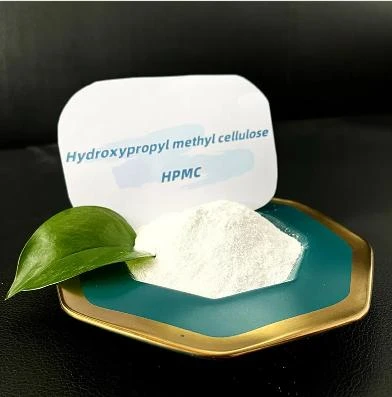
Hydroxypropyl methylcellulose (HPMC), a multifunctional polymer, serves as a key excipient in tablet formulations, playing a pivotal role in the pharmaceutical industry. Renowned for its versatile applications in tablet production, HPMC's functionalities extend to improving the physical and release characteristics of tablets, thereby enhancing the overall drug delivery system. Its frequent use arises from its non-toxic, non-allergenic properties, making it a trusted ingredient for oral delivery systems. HPMC is crucial as a binder, a film-coating agent, and a controlled release polymer. In the binding process, HPMC serves as an adhesive that holds the tablet ingredients together, ensuring structural integrity and consistency during manufacturing, transportation, and storage. Being water-soluble, HPMC easily hydrates and swells, forming a gel-like structure that aids in maintaining tablet cohesion. This characteristic dramatically minimizes the occurrence of tablet fragmentation or disintegration before it reaches the consumer, maintaining the dosing accuracy vital for therapeutic effectiveness. In the realm of film coating, HPMC provides tablets with a protective outer layer that inhibits moisture, oxygen, and light degradation—common factors that can affect the active pharmaceutical ingredients' (API) stability. The film forming capability of HPMC is instrumental in ensuring aesthetic appeal by smoothing the surface of the tablet, which can also facilitate branding through printing or distinct coloring. Additionally, the use of film coatings can assist in masking unpleasant taste and odor, further improving patient compliance. A more sophisticated application of HPMC is in controlling the release of APIs. The development of sustained-release or extended-release formulations allows a gradual release of the medication over time, which can be crucial for drugs requiring consistent blood concentration levels. HPMC achieves this by forming a gel barrier when exposed to gastrointestinal fluids, controlling the rate at which the medication is released. This controlled release mechanism provides substantial benefits such as reduced dosing frequency, improved patient adherence, and minimized side effects due to peak plasma spikes. hpmc used in tablets From an expertise perspective, the manipulation of HPMC’s molecular weight and substitution pattern allows pharmaceutical scientists to tailor its properties to specific formulation needs. This capability underscores HPMC's role in formulating both immediate and controlled-release dosage forms. Its compatibility with a wide range of active substances further validates its indispensable utility in drug formulation. Studies affirm HPMC's safety profile, with substantial documented evidence supporting its non-toxicity and tolerability, earning the confidence of regulatory bodies globally. Experts consistently endorse its use, given its minimal interaction with APIs and excipients, ensuring that drug integrity is preserved throughout the shelf life. This adds credence to HPMC's credibility and trustworthiness in pharmaceutical applications. Moreover, real-world experience attests to HPMC’s reliability . Pharmaceutical companies globally report high levels of satisfaction with its performance, notably in enhancing product stability and patient compliance. Consistent with evolving consumer demands and regulatory guidelines, HPMC continues to be at the forefront of innovation in tablet formulation technology. In conclusion, Hydroxypropyl methylcellulose remains an exemplary choice for tablet formulation due to its multifunctional attributes and unparalleled reliability. Its ability to adapt to diverse formulation needs reaffirms its status as a cornerstone of tablet technology, combining professional expertise, safety, and performance. Such features assure both manufacturers and consumers of its efficacy, safety, and continuation as a preferred excipient in tablet development.
advantages
-

200000 Viscosities
Excellent product
We can produce pure products up to 200,000 viscosities
-

40000 tons
High yield
We don’t stop production all year round, and the annual output can reach 40,000 tons
-

24 hours
Quality service
We provide 24-hours online reception service, welcome to consult at any time
———— Inquiry Form
Schedule A services


- hpmc_viscoelastic
Oct . 25, 2025
Navigating the ever-evolving world of skincare ingredients, one might stumble upon hydroxypropyl sta -
 cellulose_paint_for_wood
Oct . 25, 2025
Hydroxypropyl Methylcellulose (HPMC) has emerged as a crucial ingredient in various industries, with -
 rubber_powder_price
Oct . 25, 2025
HPMC E464, auch bekannt als Hydroxypropylmethylcellulose, ist ein vielseitiges Produkt, das in versc


